We study extreme weather, climate change, and their impacts on both ecosystems and modern society.
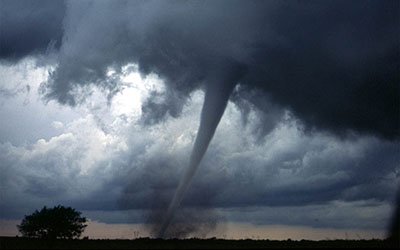
Atmospheric Sciences
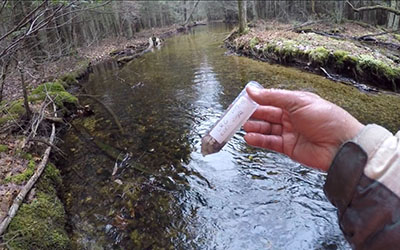
Environmental Geoscience
We use biology, chemistry, geology, and physics to understand how the Earth System supports such a diversity of life and how human behavior is impacting this system.

Geodata Science Initiative
Data science is the fourth and the newest paradigm of science. In Geodata Science Initiative, we conduct transdisciplinary research, merging or articulating EAPS subject matters with technical areas in data science: statistical and machine learning methods and models, algorithms for the models and methods, and computational environments for data analysis.
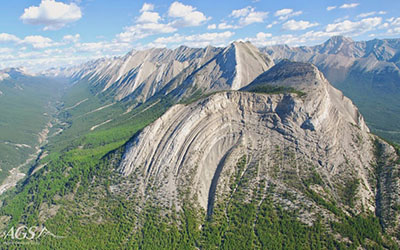
Geology and Geophysics
We study the processes that shape our planet, from the building of mountains and oil-bearing sedimentary basins, to the flow of warm rocks and cold glaciers, to the triggering of earthquakes.
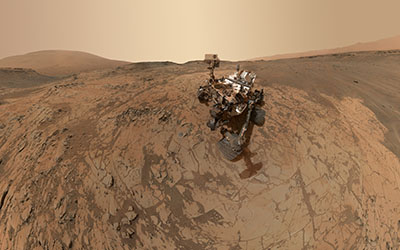
Planetary Science
We study the evolution of the solar system and how planets evolve over time due to impacts, tectonics, and atmospheric processes, with an eye to the potential for past and future habitability.
Research News
Meet some of the Purdue alums who have powered NASA’s Artemis program
10-08-2026
Boilermakers have taken part in virtually every stage of the program that will bring humankind back to the moon. Purdue EAPS alumna Marie Henderson (PhD planetary science ’21) is helping shape NASA’s Artemis program!
Purdue-led study finds an ancient history of water on Mars that shifted over time
09-25-2026
From orbit, a carbonate-rich band of rock along the inside edge of Mars’ Jezero Crater looked like it might be the remains of an ancient lakeshore. Then NASA’s Perseverance rover drove up to it and found something more complicated. Instead of preserving evidence from one watery environment, the rocks recorded several episodes when water moved through or interacted with them, according to a Purdue University-led study. The research was led by Candice Bedford, a research scientist in Purdue’s Department of Earth, Atmospheric, and Planetary Sciences.
The High Cost of Climate Change on Worker Productivity
09-21-2026
UCDAVIS — Study Quantifies the Cost of Heat Stress for Workers Worldwide. EAPS's Matt Huber was a part of the research team.
Purdue Science offers tutoring assistance in Indianapolis through the SMART Center
09-17-2026
Purdue University students in Indianapolis will now have an added option for free drop-in tutoring via the College of Science. The Science and Mathematics Academic Resource and Tutoring (SMART) Center is a College of Science student support service that is facilitated by tutors comprised of departmental graduate teaching assistants and trained undergraduate tutors. The SMART Center will be available to provide drop-in tutoring support throughout the semester Sunday through Friday, including evenings.
Life on Earth 66 million years ago may have faced two disasters back-to-back
09-14-2026
Space Daily — New modeling by Purdue University researcher Brandon Johnson suggests impact dust trapped an intense heat pulse after the asteroid strike that preceded the extinction of the dinosaurs.