
Purdue Petrology Suite
We investigate the chemistry and mineralogy of volcanoes and planetary interiors using a variety of experimental and analytical techniques.
We investigate the chemistry and mineralogy of volcanoes and planetary interiors using a variety of experimental and analytical techniques.
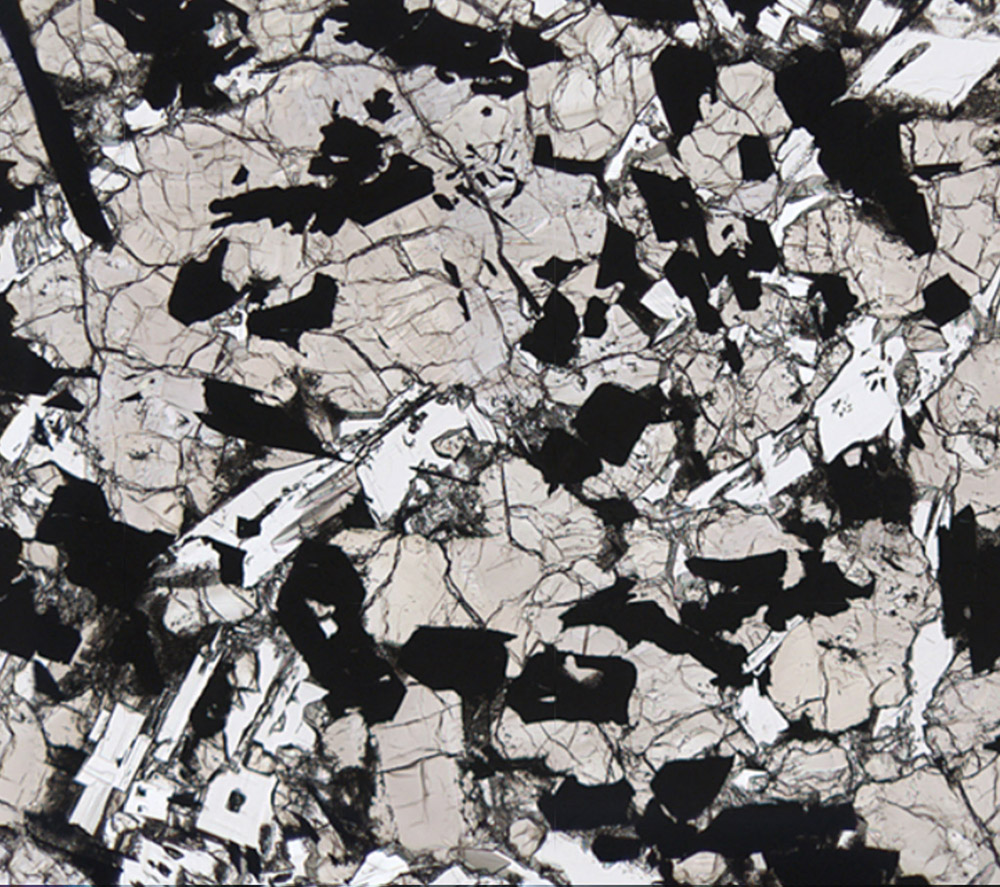
We are hiring graduate students, undergraduates, and postdocs to faciliate with laboratory installation and calibration. If you are motivated to learn the ins and outs of experimental petrology, please get in contact with us!
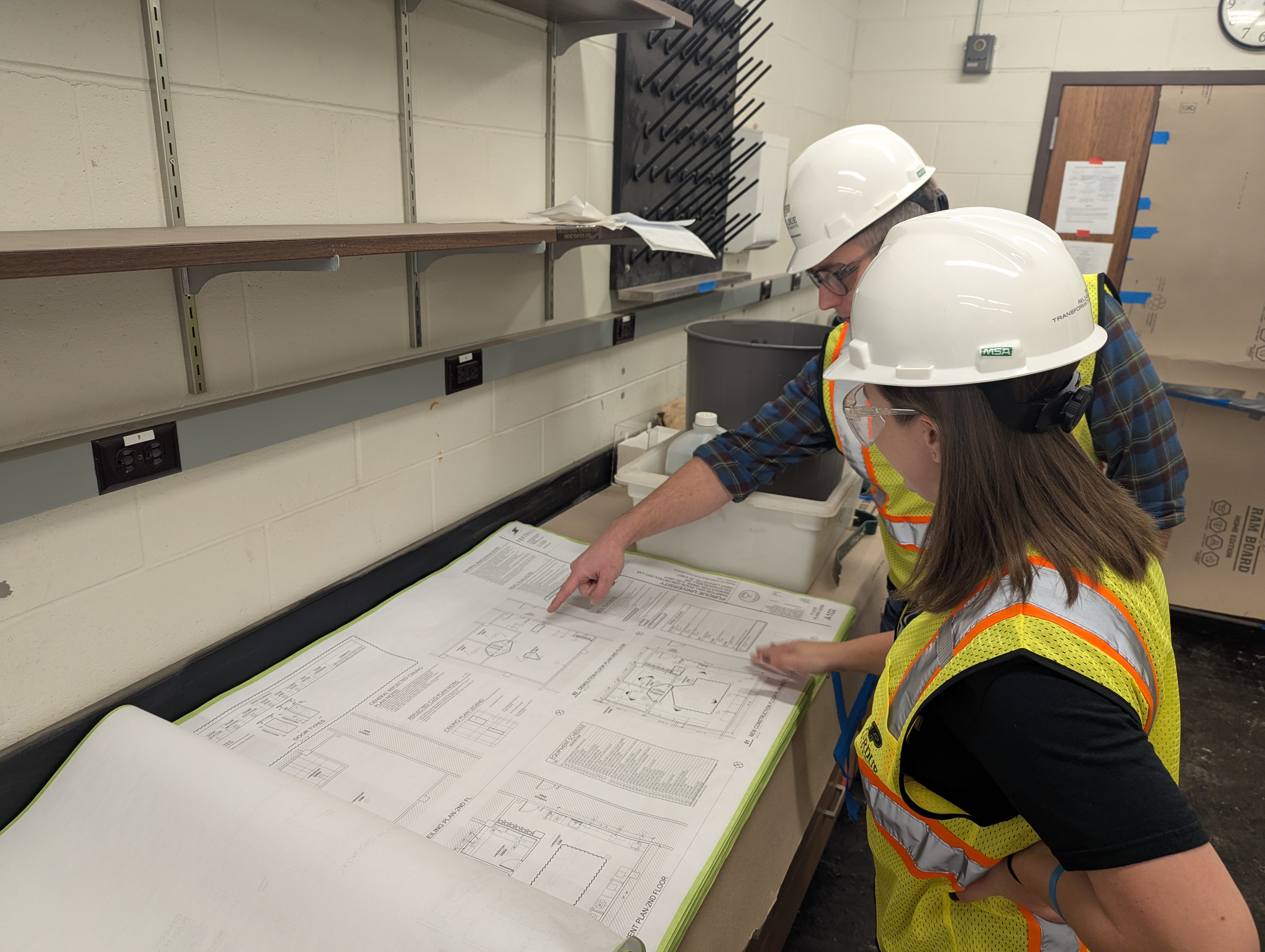
The Purdue Petrology Suite is part of the Department of Earth, Atmospheric, and Planetary Sciences at Purdue University. Our facilities are located within the Delon and Elizabeth Hampton Hall of Civil Engineering (HAMP), Neil Armstrong Hall of Engineering (ARMS), and Herbert C. Brown Laboratory of Chemistry (BRWN) buildings on Purdue's Main Campus in West Lafayette, Indiana.
Our laboratory has benefitted from generous donations made by Bruce Fegley and Katharina Lodders of the Planetary Chemistry Lab at Washington University in St. Louis. If you are interested in supporting our research, please contact us for more information.
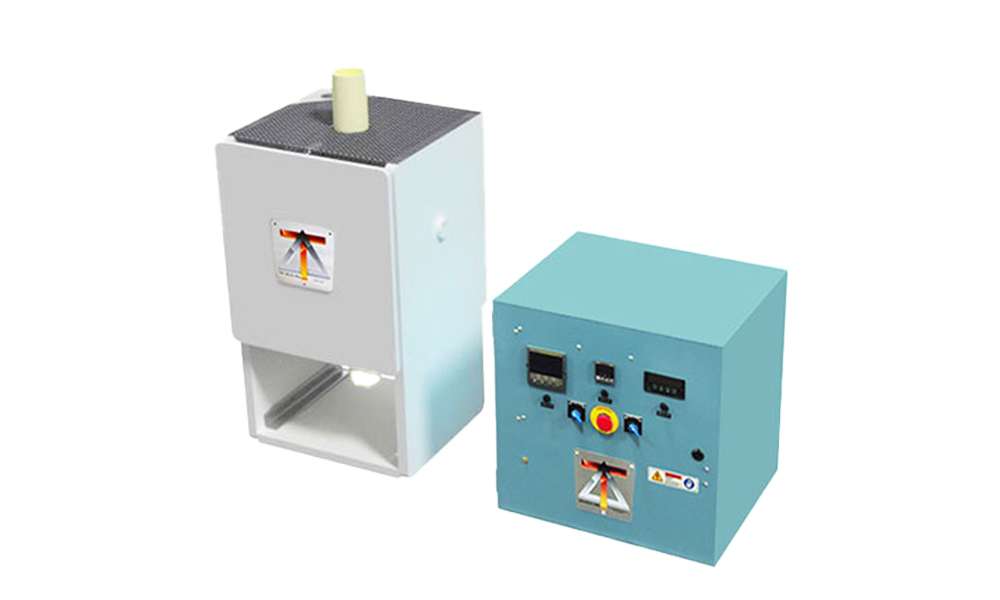
We have four Deltech vertical gas-mixing furnaces and one Deltech horizontal gas-mixing furnace. These furnaces can be heated up to 1700°C at room pressure. The oxygen fugacity of the furnace environment can be controlled using different gas mixtures and monitored throughout the experiment. We also have additional high-temperature furnaces without gas-mixing capability available for sample synthesis or preparation.
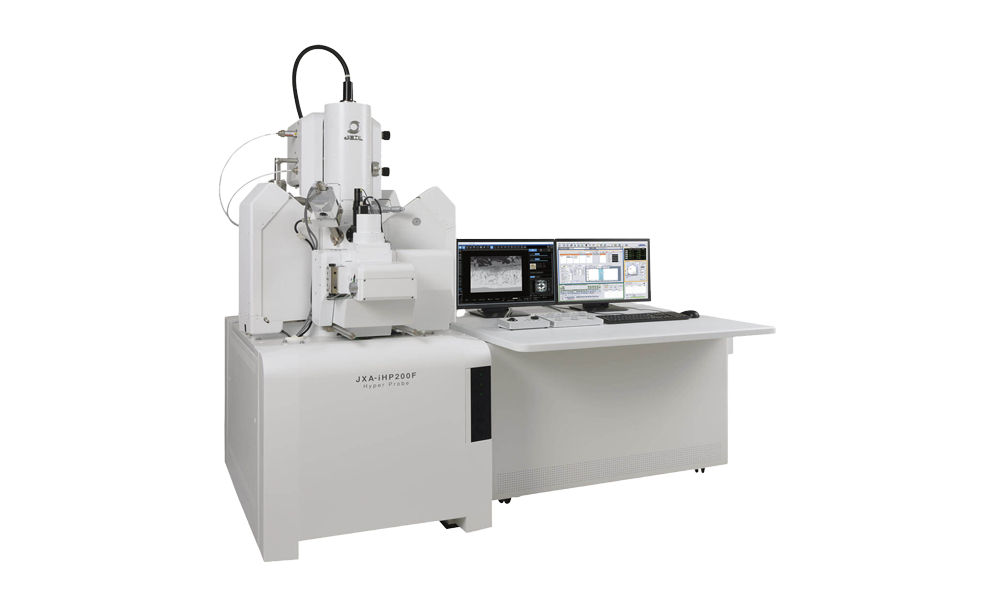
We have recently installed a JEOL JXA-iHP200F Field Emission Electron Probe MicroAnalyzer (FE-EPMA) at Purdue. External users are able to apply for analytical time on the EPMA through our NASA-funded PRECISE facility. With the EPMA, users can quantify the concentration of elements boron through uranium in a range of materials relevant to earth, planetary, and materials science.
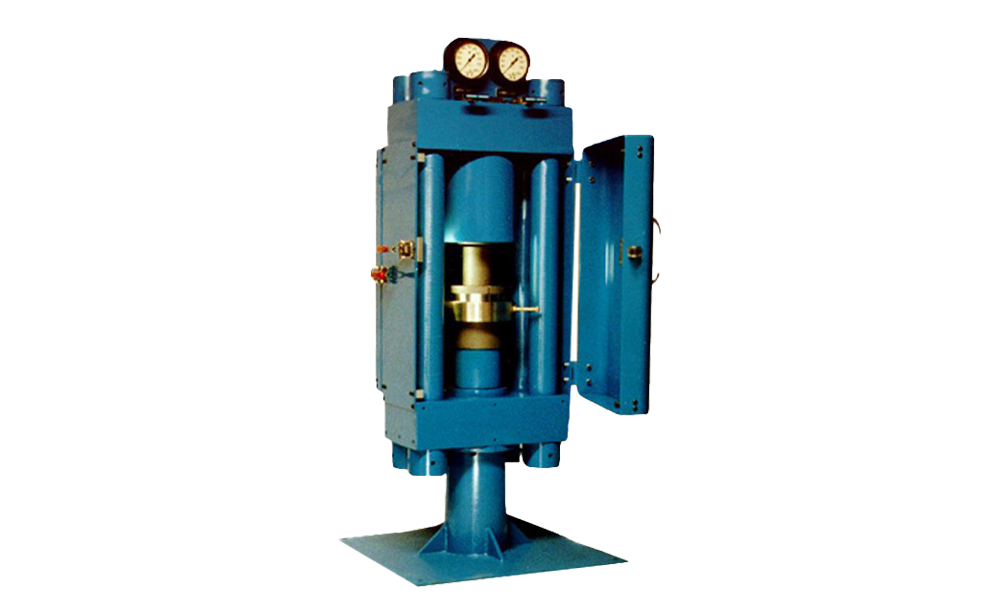
We house two Rockland piston cylinder apparatuses. The piston cylinders can be used to study materials at pressures up to 4 GPa and temperatures up to 2000°C. Our facilities also include a "mini machine shop" with which to machine assembly parts for high-pressure experiments.
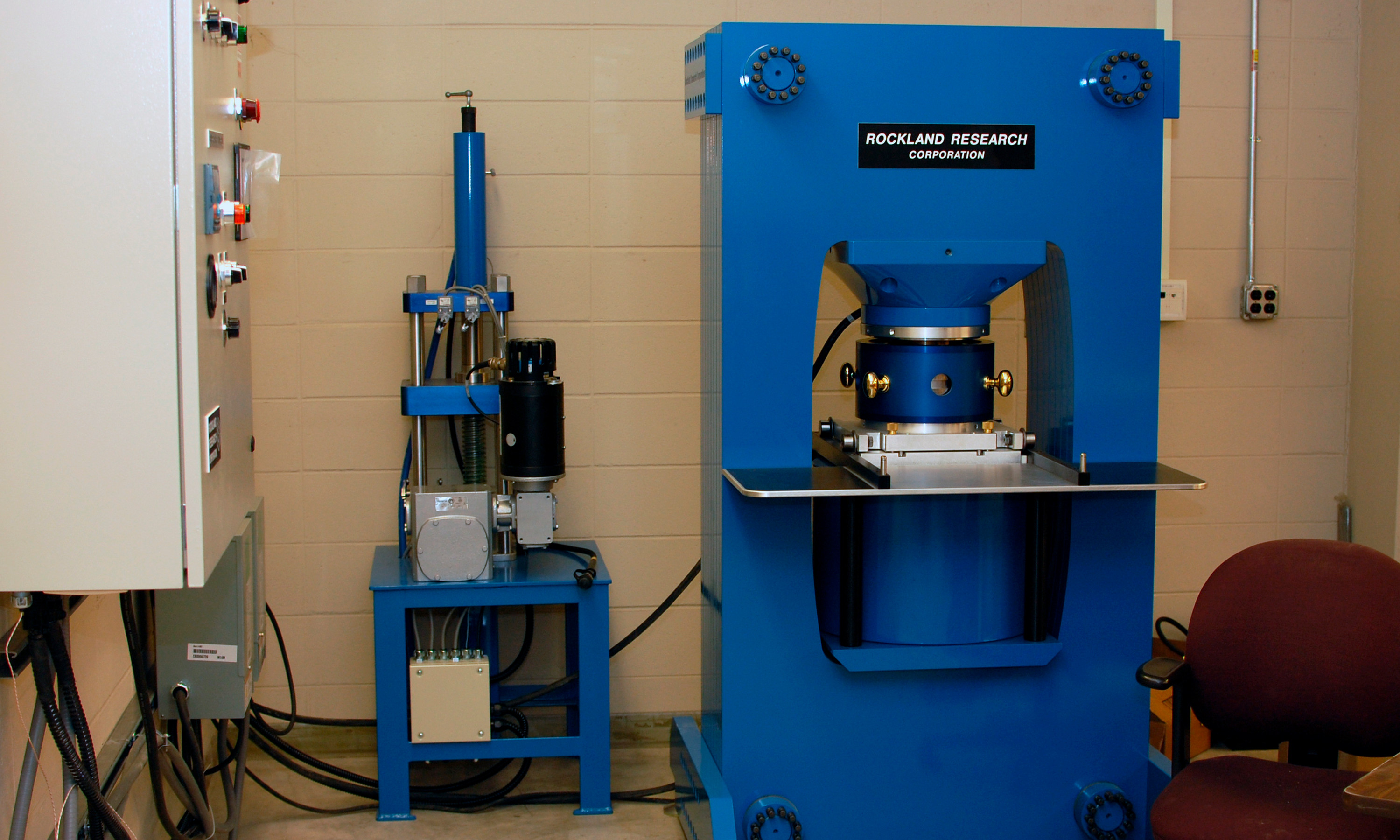
We have a 1000 ton Rockland multi-anvil press for conducting experiments at pressures 3-30 GPa and up to 2500°C. The instrument is in the process of being calibrated. Anyone interested in conducting a multi-anvil experiment should contact Kelsey Prissel for additional information.
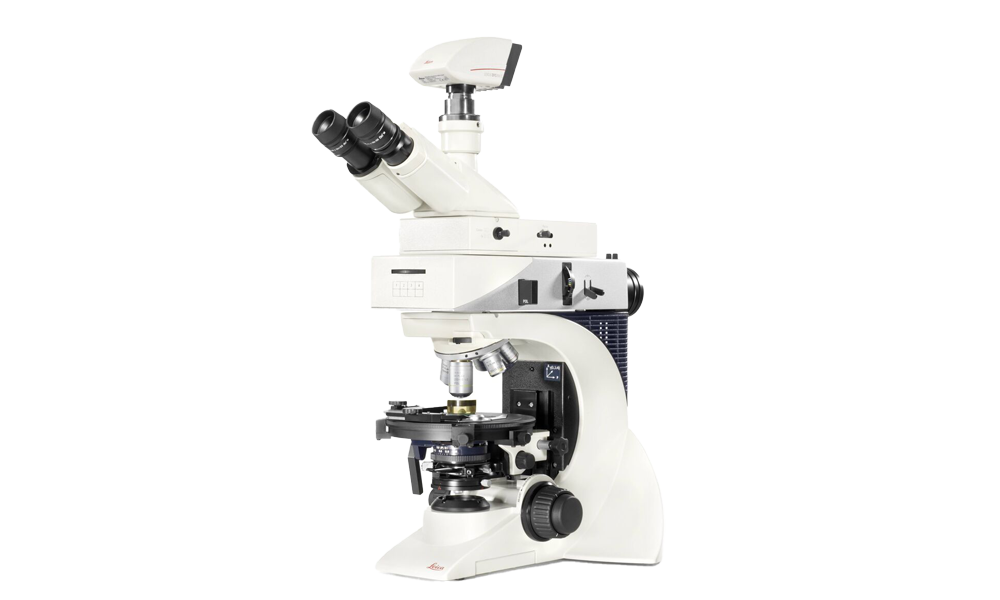
We have two Leica DM2700 P petrographic microscopes each equipped with an imaging system. These microscopes can be used to investigate and image thin section samples in both transmitted and reflected light. Anyone interested in using one of the petrographic microscopes should contact Tabb Prissel.
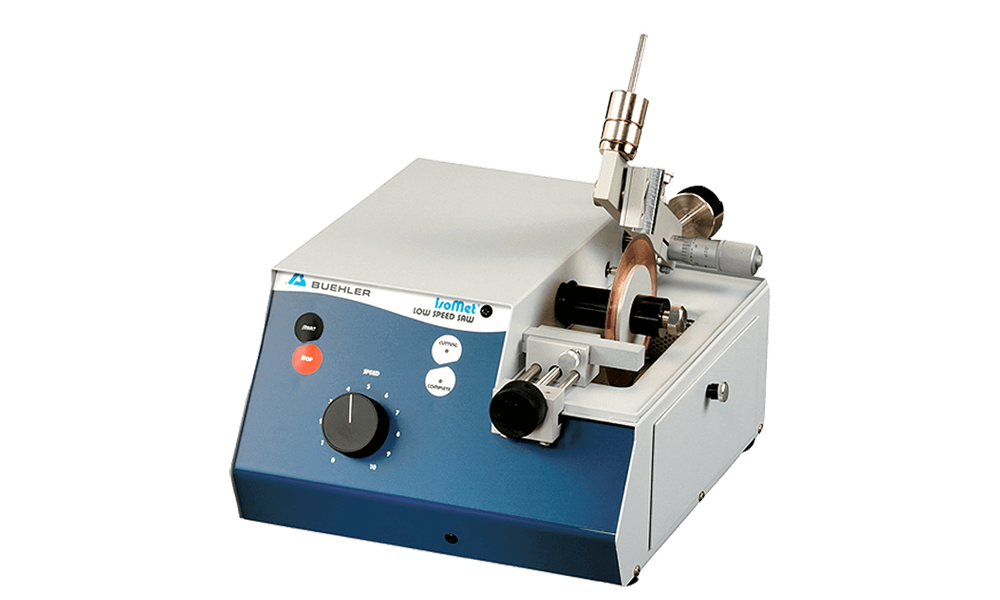
We have a variety of equipment available for sample preparation needs including cutting, epoxy mounting, and polishing. Our lab can support grain mount and thin section preparation.
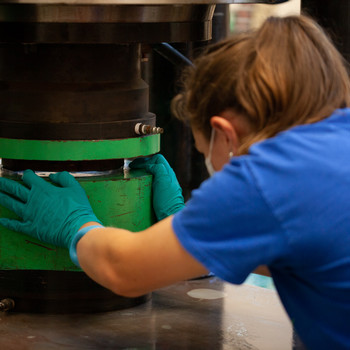
Kelsey Prissel studies the chemical evolution of planetary interiors. She conducts high-temperature laboratory experiments and geochemical analyses of igneous rocks in order to develop a crust-to-core perspective of planetary bodies. Kelsey investigates planetary differentiation and volcanism from an interdisciplinary perspective that integrates experimental petrology, sample analysis, isotope geochemistry, diffusion chronometry, geochemical modeling, remote sensing, and field work. Her research has explored igneous processes on the Earth, Moon, Mars, and Mercury.
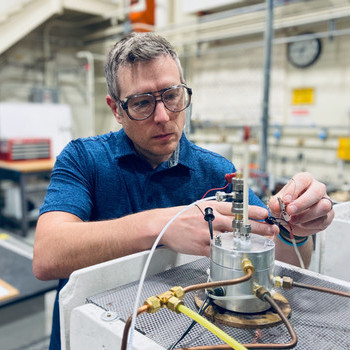
Tabb Prissel is an igneous petrologist focusing on the evolution of planetary crusts (Earth is a planet, too!). With perspective rooted in sample observation and analysis, Tabb then integrates experimental petrology techniques, orbital mission data, and geochemical modeling to study the earliest history of planetary surfaces and their transition to secondary and tertiary crust building processes. General topics include primary magmas, magma-rock interactions, magma oceans and impact melt seas, and field analog studies.
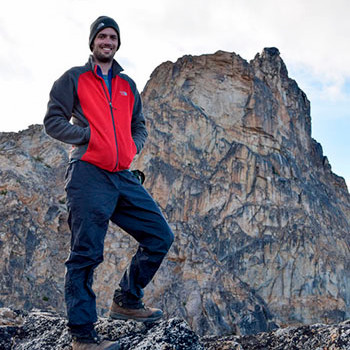
Mike Eddy is a field geologist and geochronologist interested in the timescales of igneous processes. His research reconstructs past events through detailed observational studies complimented by laboratory experiments, quantitative models, and geochemical measurements. This approach is used to quantify the rates of petrologic and tectonic processes in fossil geologic systems. He is PI of the Radiogenic Isotope Geology Lab that houses a TIMS instrument within Purdue EAPS.
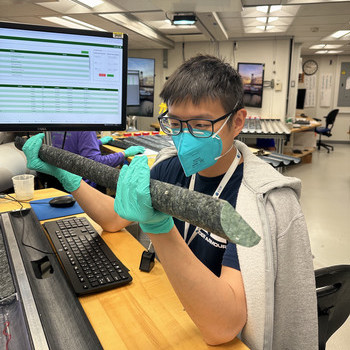
Kuan-Yu Lin is an igneous petrologist, and more recently, an electron microscopist who investigates mid-ocean ridge tectonics and the formation and evolution of the Earth’s oceanic lithosphere. He sails on research expeditions to recover rocks from the seafloor and applies various analytical techniques to characterize their composition. He will be setting up the new Electron Probe MicroAnalyzer at Purdue to facilitate quantitative characterization of materials relevant to the Purdue Petrological Suite!
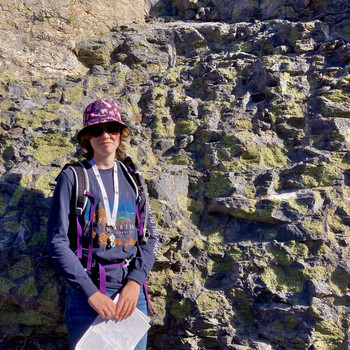
Alan Bartlett is a PhD student interested in how the petrological textures and geochemistry of igneous rocks record the history of subsurface magmatic processes, on Earth and other worlds. Alan is interested in sample-based science with an emphasis on petrography and experimental petrology. They earned a BS in Geological Sciences at Arizona State University in 2025 and completed their Honors Thesis on petrographic analysis of Mt. Shasta andesites.
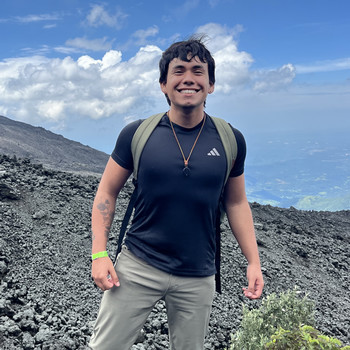
Gustavo Marchant Allende is a PhD student interested in the evolution of rocky planets through high-temperature geochemistry and geochemical modeling. He earned his bachelor’s in Geology at Macalester College in 2025. His past research focused on volcanic deposits from the Moon (Apollo 17) and mantle xenoliths from Mongolia and the US.
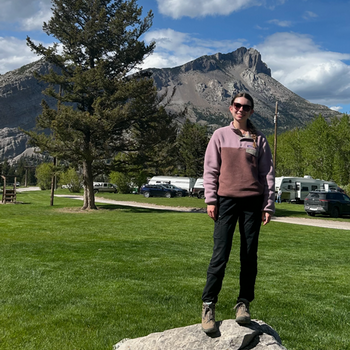
Alexis Jansen is a PhD student interested in understanding the formation of igneous rocks to constrain mantle and crustal processes on planetary bodies. She earned a BS in Geoscience with a minor in Computer Science at the University of Iowa in 2026. Her undergraduate research focused on characterizing the mineralogical and magmatic evolution of Syrtis Major Planum, a volcanic province on Mars.
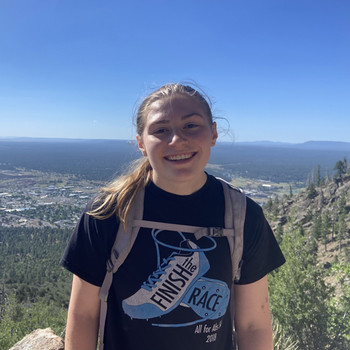
Emerson Long is a PhD student interested in studying magmatic processes through high pressure-temperature experiments and geochemical analysis. She earned a bachelor’s degree in Geology and Physics at Syracuse University in 2026. Her undergraduate thesis work studied copper partitioning between aqueous fluid and granitic melt at high pressure-temperature conditions.
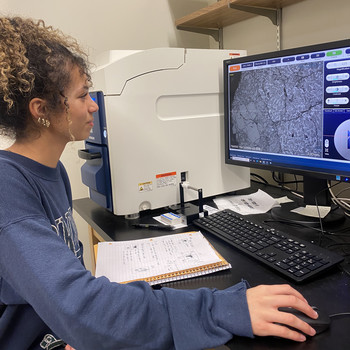
Miah is working with Kelsey Prissel on lunar samples returned by Apollo 17. She is conducting a crystal size distribution study on clasts within an Apollo high-Ti basaltic breccia to interpret their cooling history.
Stephen Anderson ('26, BS Chemistry) worked with Kelsey Prissel on the mantle mineralogy of Venus, investigating the role of composition on the interior mineral structure of Venus using thermodynamic modeling with PerpleX. Now Chemical Engineering Master's student at Purdue.
Ky Dodd ('26, BS Planetary Science) worked with Kelsey Prissel on XCT analysis of lunar analog samples to inform sampling activities for robotic sample return missions, such as the Endurance Mission Concept to the lunar South Pole Aitken basin.
Bella Bronner ('26, BS Geology & Geophysics) worked with Kelsey Prissel to identify melt inclusions in terrestrial volcanic samples for studying magmatic volatiles.
Laura Yocum ('28, BS Planetary Science, BS Geology & Geophysics) worked with Kelsey Prissel to 3D print Apollo samples for use as teaching materials to be incorporated into outreach and courses related to mineralogy, petrology, and planetary science.